

❋
Hanoi, Vietnam
Center for Environmental Economics and Climate Change Studies (CECCS)
Trung tâm Nghiên cứu Kinh tế môi trường và Biến đổi khí hậu
Built on details, Tested in reality
〰️
Built on details, Tested in reality 〰️
At the environment–climate–energy nexus in Vietnam
CECCS is a research and policy lab working at the environment–climate–energy nexus in Vietnam. We focus on rigorous, decision-relevant analysis—especially where data gaps, uncertainty, and real-world constraints make “easy answers” unreliable.
Our aim is practical: help illuminate persisting issues and develop solutions that are technologically and economically feasible, while supporting fair and workable policy outcomes.

Our research areas
-
We build high-resolution simulations to identify least-cost, least-carbon generation portfolios while maintaining reliability, including accepted loss-of-load risk thresholds. We test technology mixes against operational realities such as ramp-rate constraints and siting limitations.
-
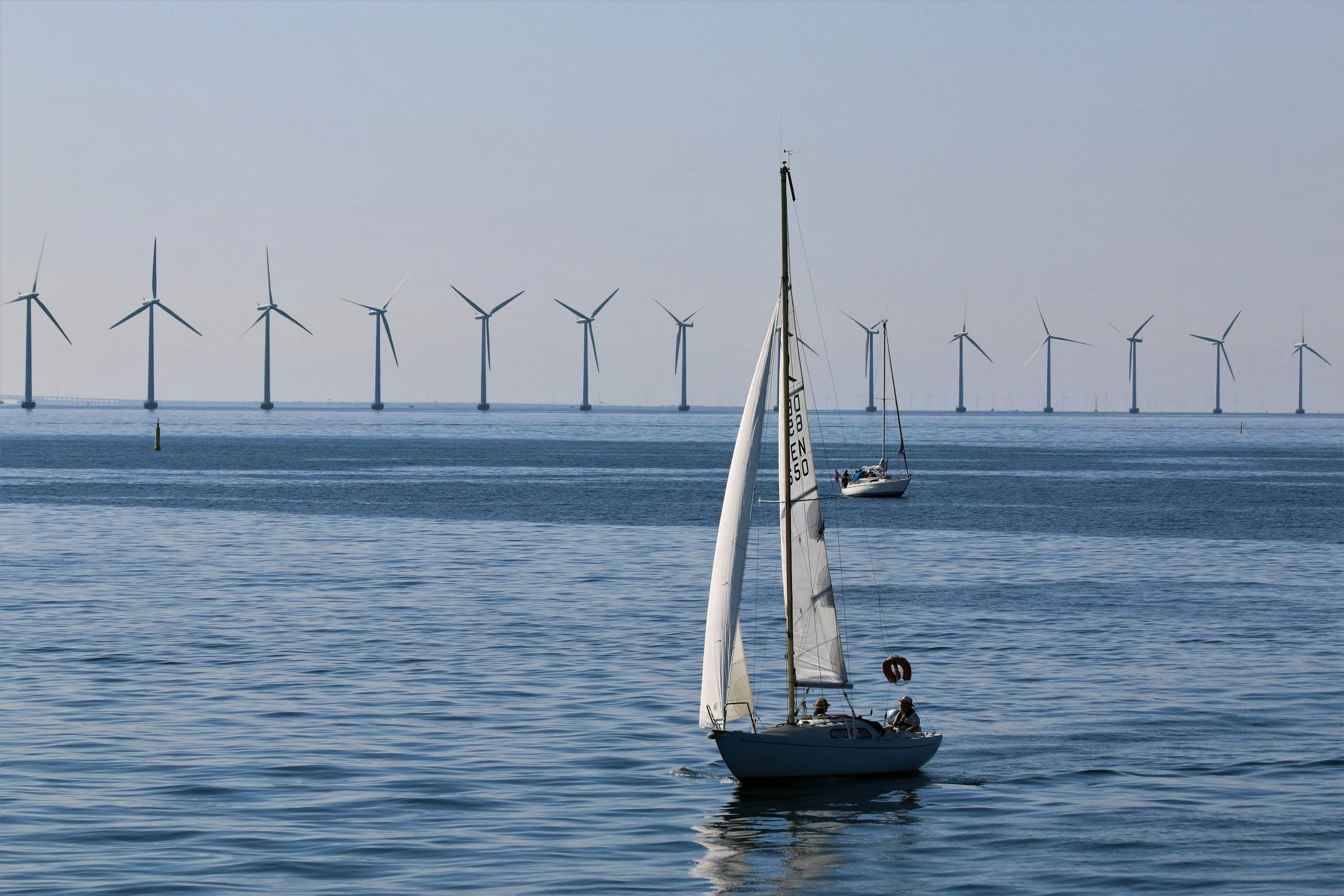
Vietnam’s coastline offers major offshore-wind potential, but scaling it requires clear understanding of grid connection, seasonal output, regulatory timelines, and supply-chain readiness. We run scenario studies to test how much offshore wind the system can absorb, at what cost, and under which implementation conditions.
-
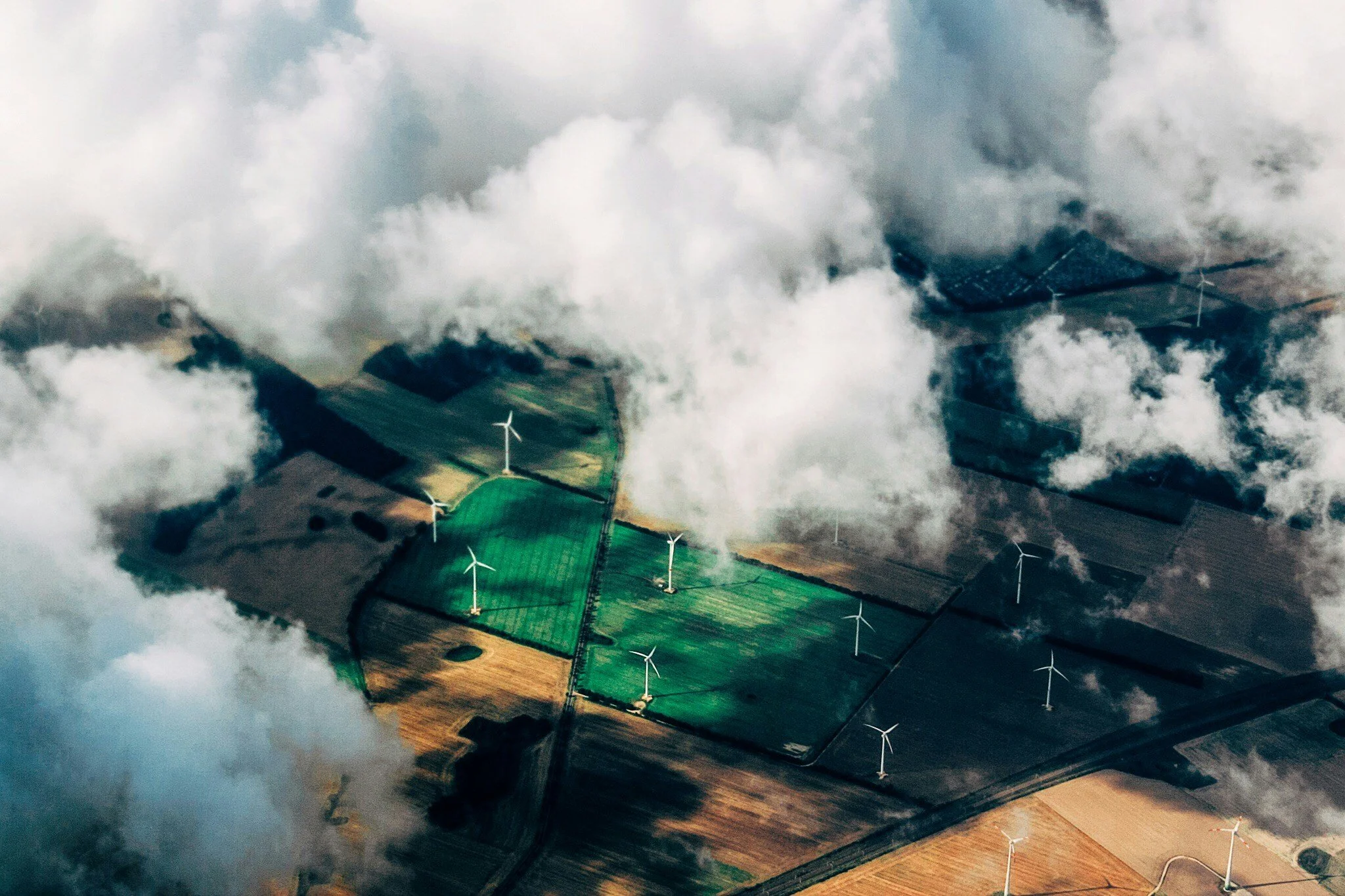
Using machine learning on satellite imagery, we estimate rooftop area and tilt across districts, then translate those physical attributes into installable capacity and investment needs.
-
We combine macroeconomic and structural drivers such as GDP, industrial structure, climate conditions, and appliance ownership trends - within multivariate time-series frameworks to generate probabilistic ranges of future electricity demand (rather than a single point estimate).
-
Beyond energy, we also conduct studies such as assessing marine sand, gravel, and shell deposits along Vietnam’s South-Central coast (Da Nang to Binh Thuan). We quantify construction-grade reserves and model ecological impacts of dredging, with the goal of proposing “greener” extraction technologies that can help meet construction demand without worsening coastal erosion or habitat loss.
We're not here to follow trends—we're here to build something timeless. With a blend of creativity, strategy, and heart, we help ideas come to life.
Partnerships and collaboration
We welcome collaboration with partners in Vietnam and internationally, including research groups, universities, practitioners, funders, and institutions - who share an interest in rigorous, transparent, policy-relevant work at the environment–climate–energy nexus.
If you’d like to explore research collaboration, training partnerships, or joint initiatives, we’d love to hear from you.
-
Our motivation is rooted in research integrity and implementation relevance. In complex systems, the most consequential errors are rarely obvious—they sit in assumptions, data handling, and constraints that are simplified away. We are motivated by the discipline of doing the unglamorous work well: cleaning and documenting data, making methods reproducible, testing sensitivity, and confronting operational and siting constraints that determine what can actually be built and operated. The goal is not to produce the most elegant narrative, but the most reliable guidance—evidence that policymakers, planners, and communities can trust when trade-offs are real.
-
We combine transparent methods, modelling, and applied research to address questions that sit across environment, climate, and energy. In practice, our work often includes:
Closing data gaps with transparent, reproducible approaches
Simulating least-cost, least-carbon pathways under realistic conditions
Testing ramping and siting constraints that can determine feasibility in the real system
Publishing open datasets where they can strengthen learning, scrutiny, and reuse
Activating findings through community-centered advocacy, trainings, and partnerships to build local capacity and inform policy
-
In Vietnam, air quality and climate outcomes are closely linked to how energy is produced and used. Fine particulate pollution (PM₂.₅) affects health immediately, while CO₂ emissions shape climate risks over the long term. Addressing both requires more than targets—it requires system-level solutions that work under constraints.
This is why we emphasize models and evidence that reflect real-world implementation conditions, not only idealized scenarios.
-
Our approach is built around four principles:
Transparency and reproducibility
We document assumptions and methods so results can be tested, challenged, and improved.System realism
We incorporate constraints that often define feasibility—ramping, siting, reliability, and infrastructure limits.Decision relevance
We design outputs to support planning and policy questions, not only academic completeness.Capacity building and activation
We translate findings into trainings, partnerships, and community-centered engagement so evidence can travel.
Where appropriate, we publish open datasets and share selected research outputs to support learning, replication, and higher-quality public discourse. We also share research notes, methods perspectives, and thematic snapshots to make complex trade-offs easier to engage with without oversimplifying them.
CECCS shares insights and materials grounded in publicly available information and published outputs. We do not disclose project-specific confidential details.
Public outputs
Contact us
Interested in working together? Fill out some info and we will be in touch shortly. We can’t wait to hear from you!